October 5, 2026
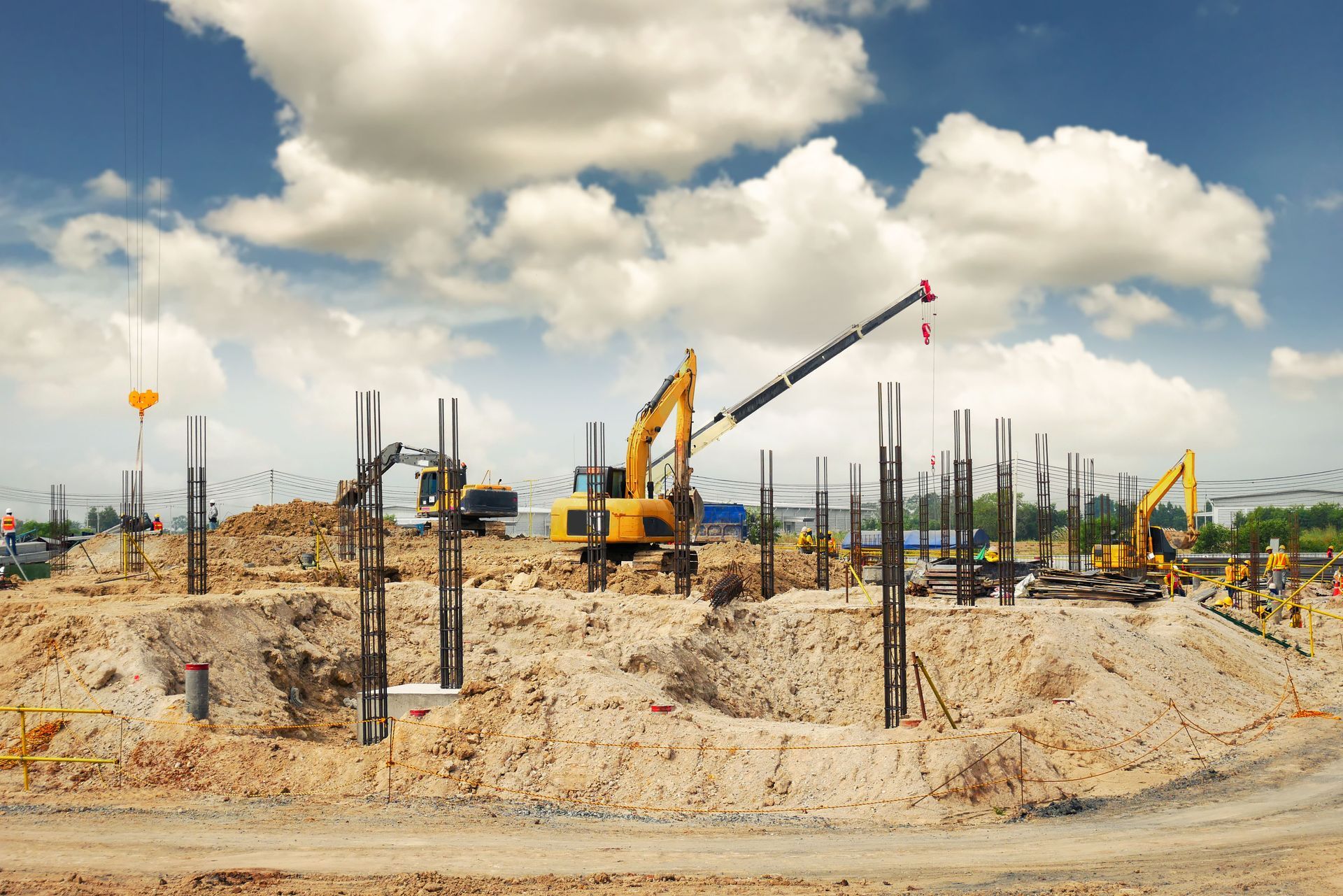
The foundation of any enduring commercial or residential structure relies not merely on the quality of concrete poured, but heavily on the preparation of the earth beneath it. Before beams are placed, a transformation of raw land must occur to guarantee that buildings withstand natural settling, shifting water tables, and extreme weather. By carefully manipulating terrain, expert excavation companies ensure that sites are optimized to bear immense weight, preventing catastrophic structural failures over time. This foundational phase involves a complex interplay of geological assessment, strategic earthmoving, and subterranean drainage solutions that collectively prevent catastrophic structural failures.
Proper land preparation is a critical prerequisite shaping every phase of construction. According to IBISWorld, the domestic market size for excavation contracting stands at $142.5 billion, reflecting how essential this heavy earthmoving work is to the entire building industry. Without this foundational investment, subterranean shifts can quickly compromise structural footings and create safety hazards. The groundwork completed before construction begins remains the primary factor determining a property's lifelong stability, safety, and overall resilience.
Evaluating Soil Conditions for Load Capacity
Every parcel of land possesses a unique geological makeup, making thorough subterranean evaluation an essential first step in construction projects. The earth beneath a proposed building might look solid, but it often hides layers of expansive clay, loose sand, or hidden rock formations that compromise structural foundations. To prevent future settling or uneven shifting, skilled excavation companies analyze these natural ground characteristics before digging commences, informing engineers about how the ground behaves under massive weight.
During physical testing, specialized technicians utilize detailed assessment methods like standard penetration tests and core sampling to extract accurate subterranean samples. These tests reveal soil shear strength, moisture content, and compaction potential to determine how much weight a specific footprint of earth supports safely. If testing indicates existing dirt is weak, contractors perform extensive soil remediation by replacing inadequate material with engineered fill, guaranteeing structural footers rest on a predictably stable base to prevent wall cracks.
Grading Earth Surfaces for Water Management
Water is one of the most destructive natural forces acting upon building foundations, making proper surface contouring an absolute necessity for preservation. When heavy rain falls or snow melts, runoff naturally follows the path of least resistance toward low-lying footings if surrounding terrain is left unmanaged. To combat this threat, professional excavation companies reshape property topography, creating deliberate slopes and swales that actively guide surface water away from construction zones, preventing dangerous hydrostatic pressure buildup.
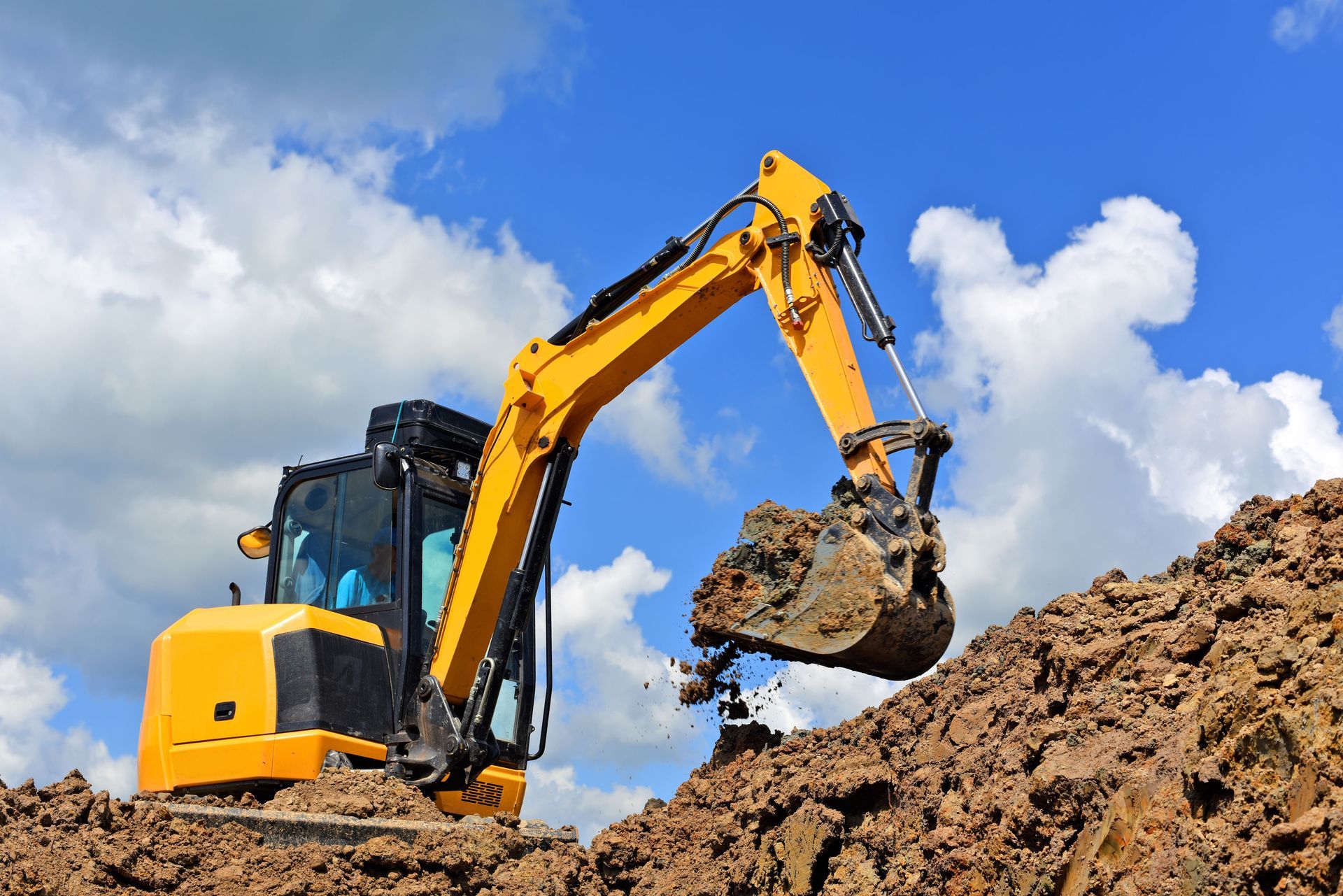
The precise execution of surface grading relies on heavy machinery to establish exact sloping angles across the property, directing runoff safely away from structural walls. Operators shave down high spots and fill in depressions, creating a smooth decline directing storm runoff toward municipal drains or retention areas. By adhering to these micro-topographical adjustments, field crews eliminate hidden low spots where water accumulates, eradicating the continuous moisture exposure that causes concrete foundations to degrade over time.
Compacting Subgrade Layers for Structural Support
Once land is reshaped and inadequate materials are removed, newly exposed earth must be mechanically fortified to withstand the downward pressure of heavy buildings. Loose dirt naturally contains air pockets, and pouring foundations over uncompressed ground forces those pockets to collapse under weight, causing rapid settling. To eliminate this weakness, reliable excavation companies utilize heavy machinery to force soil particles tightly together, dramatically increasing ground density, creating a solid platform that remains static under stress.
The tactical methodology behind subgrade compaction involves spreading engineered fill dirt or crushed stone in carefully measured, shallow layers rather than dumping large volumes all at once. Heavy vibratory rollers systematically traverse each layer, applying static weight and dynamic vibrations to forcefully expel trapped air voids between soil aggregates. Field technicians continuously monitor this process using density testing tools, guaranteeing uniform rigidity across the building footprint to prevent differential settlement and structural cracking.
Installing Subsurface Drainage for Erosion Prevention
While surface contouring addresses visible water moving across a property, groundwater flowing beneath the surface poses an equally severe threat to long-term structural health. High water tables, subterranean springs, and underground runoff can wash away crucial load-bearing soil beneath foundations, creating hidden voids that lead to cave-ins. Recognizing this danger, experienced excavation companies implement comprehensive underground drainage systems designed to intercept and redirect moisture before it compromises compacted earth, safeguarding properties against silent soil erosion.
The detailed execution of underground drainage installation centers around placing specialized drain channels and perforated piping deep within excavated perimeter trenches. Technicians line these channels with permeable geotextile fabrics before laying down perforated piping surrounded by clean washed stone to facilitate rapid water collection. As subterranean groundwater rises, it is drawn into the aggregate bed and flows safely away, ensuring hydrostatic pressure never builds up against concrete walls or destabilizes load-bearing soils.
Backfilling Trench Cavities for Ground Stability
After foundational walls are poured and essential underground utilities are securely placed, deep cavities left behind by initial digging must be carefully filled to restore landscape continuity. Pushing loose dirt back into open trenches causes earth to sink over time, creating hazardous depressions around perimeters. To prevent these failures, established excavation companies execute deliberate backfilling procedures that ensure restored ground becomes as solid and reliable as surrounding untouched earth, providing lateral support preventing wall bowing.
The technical process of trench backfilling requires machinery operators to select appropriate fill materials, often using clean crushed stone or compactable soil promoting proper drainage without excessive settling. Selected fill material is placed alongside foundation walls in thin, controlled lifts, with each layer mechanically tamped down using specialized compaction equipment. Meticulously filling and compressing earth in these confined spaces eliminates sinkholes around perimeters while providing concrete structures with rigid lateral support maintaining vertical alignment.
Stabilizing Surrounding Slopes for Site Safety
Construction projects frequently occur on uneven terrain where steep elevation changes present constant risks of landslides, mudslides, and severe topsoil loss. When heavy machinery carves into hillsides to create flat building pads, exposed inclines lose natural root structures, leaving raw earth highly susceptible to collapse. To secure perimeter land, skilled excavation companies implement robust containment strategies that permanently hold back displaced earth, ensuring complex topographical sites remain safely anchored in place despite severe weather.
Stabilizing steep inclines often involves constructed retaining walls, deeply installed soil reinforcements, or heavy-duty geogrid materials designed to anchor shifting soil layers. When building retaining structures, crews excavate deep trenches and establish dense aggregate bases supporting immense weight. Behind structural walls, technicians install aggregate drainage beds and perforated piping to relieve hydrostatic pressure that naturally builds up when water saturates retained hillsides, preserving structural safety and preventing progressive soil creep.
Securing long-term structural integrity begins and ends with mastering the physical earth supporting a building. From initial evaluations of subgrade load capacities to final installations of slope stabilization systems, every phase of site preparation plays a crucial role in preventing structural degradation. The specialized machinery and geological expertise provided by established excavation companies transform unpredictable land into permanent foundations ready to support decades of continuous use.
If these critical ground-level procedures are rushed or executed improperly, even beautifully designed architectural works succumb to settling, erosion, and water pressure. Investing in thorough site preparation remains the most reliable method for keeping properties safe, level, and sound across generations. Reach out to us at Metro Building & Excavating today to learn how we can prepare your construction site for lasting stability and success.